Aswan makes more sense as a connected cultural landscape than as a launch point for one famous temple. The Unfinished Obelisk reveals the granite source and production process behind monuments elsewhere in Egypt. The Nubia Museum places archaeology beside geography, social history, crafts and the twentieth-century salvage campaign. Philae demonstrates both a long-lived sanctuary and the consequences of modern relocation. Read together, they show how stone, river, people and conservation shaped southern Egypt.
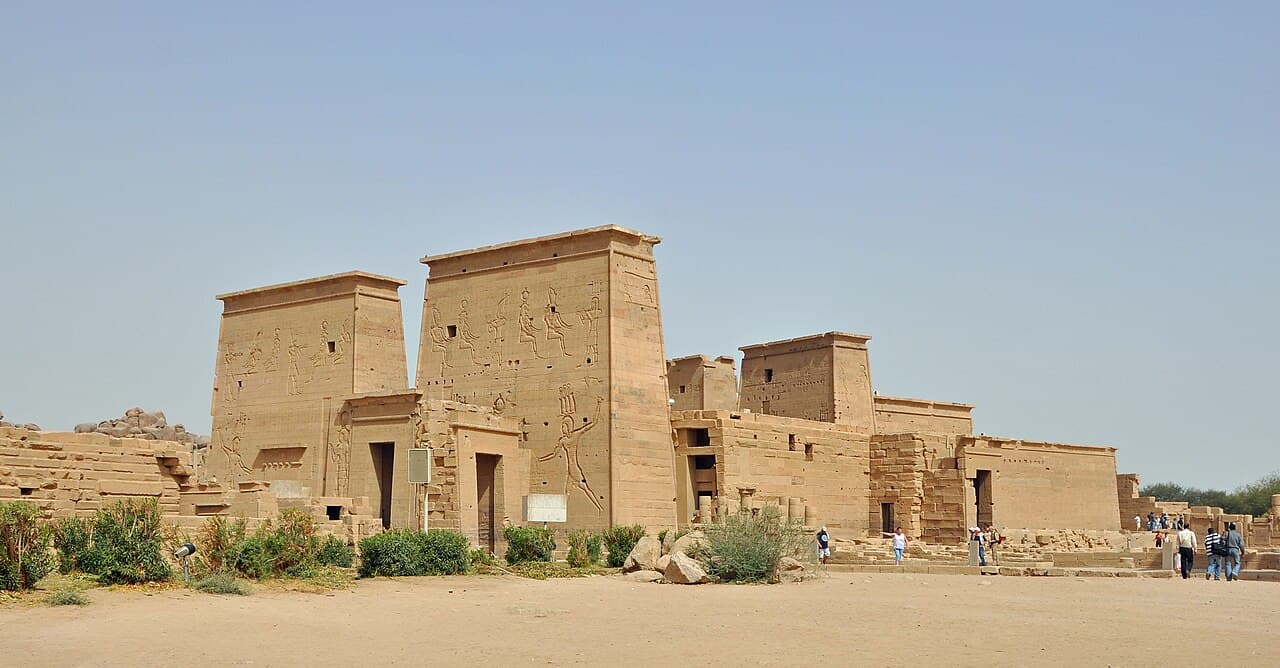
This guide helps you choose themes, not a timed itinerary. Access to islands, museums, roads and archaeological sites must be checked with the responsible authority or operator. Government travel advice, insurance and local restrictions remain live gates. The Philae photograph accurately shows the relocated temple setting on Agilkia Island, but it does not prove current boat service or entry.
At a glance
Start here
- Start at the Nubia Museum when you want the widest historical and cultural framework.
- Choose the Unfinished Obelisk to study quarry evidence and the risks of working a single granite block.
- Choose Philae to examine a relocated sacred complex, not simply an island backdrop.
- Confirm official advice, site access and authorised transport before committing to any Aswan or Lake Nasser route.
01
Choose one Aswan question first
A focused Aswan visit starts with a question. If you want to understand Nubia across time, begin with the museum’s geographic, social and cultural account. If ancient engineering is the priority, study the quarry and Unfinished Obelisk. If religious continuity and twentieth-century conservation matter, Philae offers both. Choosing a question prevents the destination from collapsing into a list of photo stops.
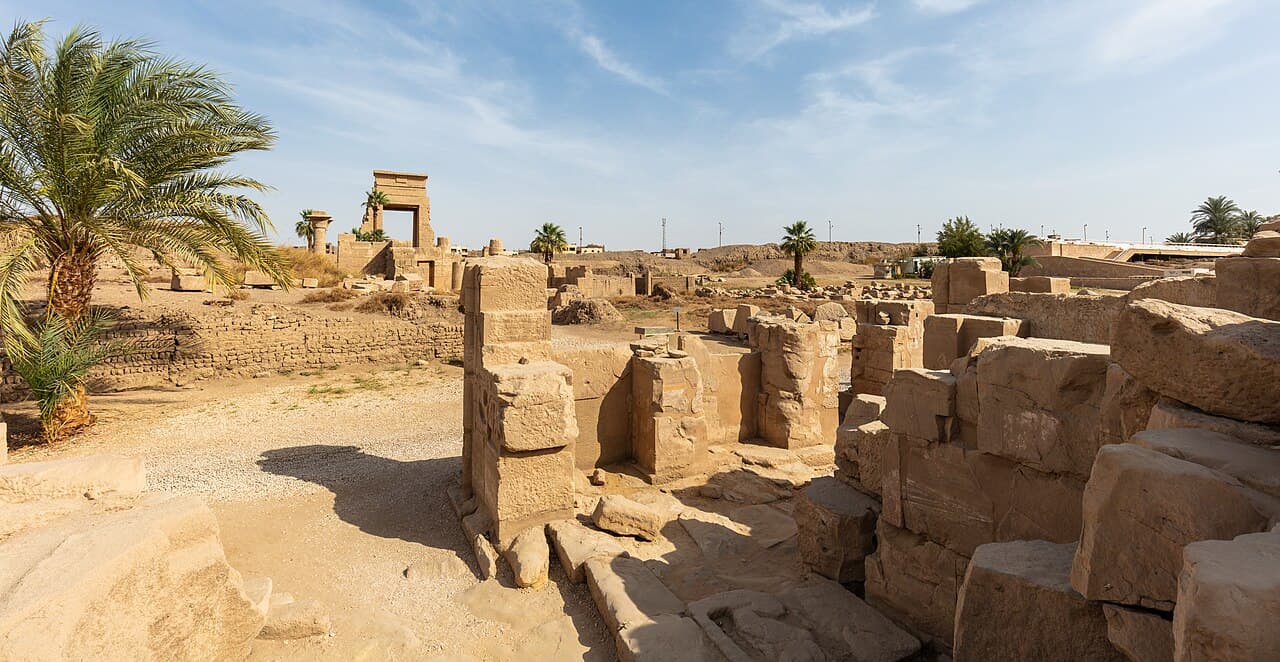
The UNESCO property itself is serial: its components include moved temples as well as Elephantine, quarries, tombs, a monastery and an Islamic cemetery. That breadth is a warning against calling any single site “all of Aswan.” Select two connected themes and leave other components for a later, properly verified visit.
- Pick culture, material production or conservation as the main lens.
- Use the serial-property list to see what one attraction leaves out.
- Do not add a remote component without checking route and access.
02
Use the Nubia Museum as the framework
The Nubia Museum was created in response to the international salvage campaign and presents more than rescued temple fragments. Its official page describes archaeology alongside Nubian geography, social and cultural development, local traditions and handicrafts. That makes it a useful conceptual starting point for travellers who might otherwise treat Nubia as only the setting for pharaonic expansion.
Read the building and landscape as part of the interpretation, then let the displays identify communities, environments and periods before choosing another site. Current galleries, evening access, tickets and visitor services can change, so confirm them directly. A museum visit should deepen how you understand living and historical Nubian culture, not license an uninvited visit to a community.
- Look for geography and environmental context before royal chronology.
- Distinguish Nubian heritage from a generic Upper Egypt label.
- Verify current gallery and access details with the museum.
03
Read the quarry before the finished monument
The Unfinished Obelisk remains attached to its quarry bed, making production failure visible. The Ministry explains that the intended monolith was abandoned after flaws and fissures appeared in the granite. Instead of seeing an incomplete attraction, examine the negative spaces, working marks and relationship between the block and surrounding rock. They show that extraction was a sequence of risky decisions.
Connect this evidence to finished obelisks and stone elements at distant temples without claiming a provenance the authorities have not established. The lesson is methodological: Aswan granite moved through extraction, shaping, transport and erection, and a flaw at any stage could change the plan. Confirm the current path and physical conditions because a quarry surface can be uneven and exposed.
- Study the block’s attachment to the bedrock.
- Separate general Aswan granite provenance from claims about one specific finished object.
- Ask the site about current path and mobility conditions.
04
Understand Philae as a relocated complex
Philae’s monuments now stand on Agilkia Island, not their original island. The Ministry describes a predominantly Ptolemaic complex centred on Isis, with later structures and inscriptions, while both Ministry and UNESCO sources connect the move to the international Nubia campaign. Hold the ancient and modern stories together: the sanctuary’s long life matters, and so does the conservation choice that changed its physical setting.
Island access requires a current authorised arrangement. Confirm the responsible landing, boat process, ticket and return before departure, and never infer service from the existence of an official site page. Once there, look at architectural relationships rather than photographing only Trajan’s Kiosk. The moved ensemble was reconstructed to preserve a complex, not to create a single isolated icon.
- Remember that today’s island is Agilkia.
- Verify authorised transport and return conditions on the day.
- Read the Isis temple, smaller structures and modern relocation as one story.
05
Separate Aswan city from remote components
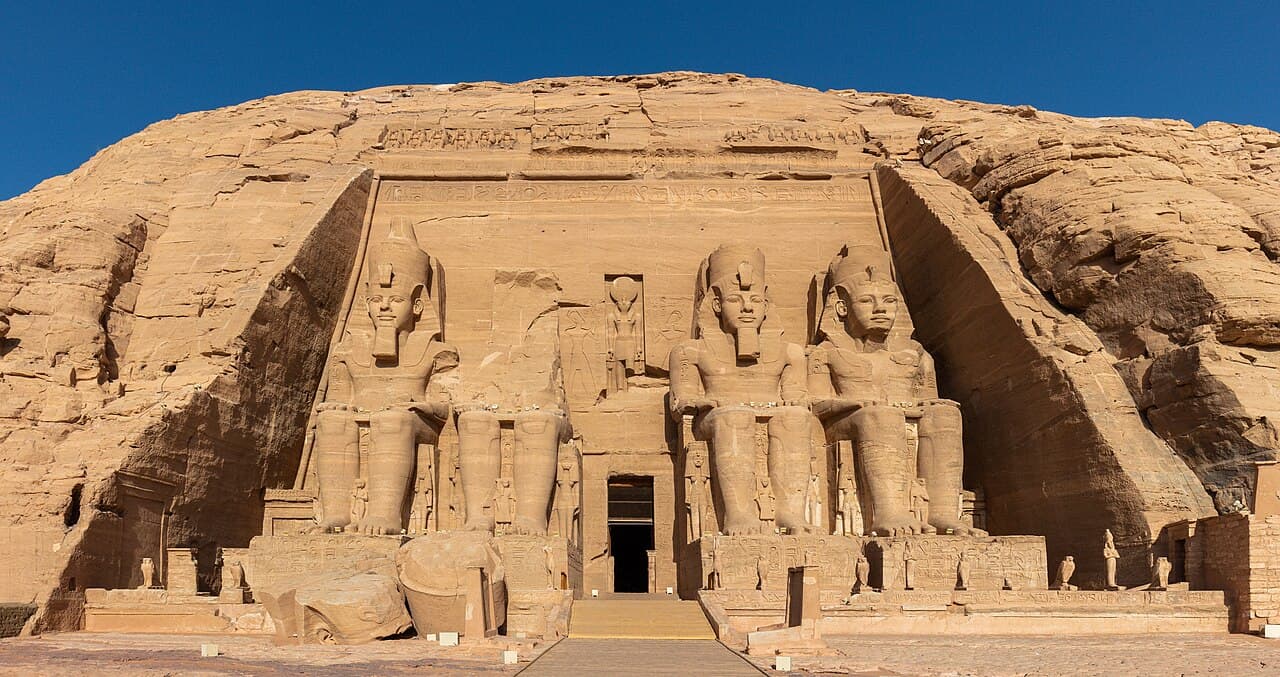
UNESCO’s Nubian Monuments property extends far beyond central Aswan and includes components toward Abu Simbel. A shared World Heritage label does not make them adjacent, accessible under one ticket or suitable for one spontaneous outing. Treat every road, boat and remote-site plan as a distinct transport decision with its own current authority, warning level and opening status.
This separation protects the city experience too. The Nubia Museum and quarry can support deep study without turning Aswan into a waiting room for a long excursion. If a remote route is uncertain, keep the day local only after verifying local venues. Never substitute an informal driver’s confidence for government advice, official restrictions or an insurer’s conditions.
- Map each component independently.
- Do not assume a World Heritage serial property has unified visitor access.
- Keep a verified city-based alternative.
06
Ask specific access questions
“Accessible” is too broad for an island, quarry and multi-floor museum. Ask the Nubia Museum about entrances, lifts, seating and toilets; ask the Unfinished Obelisk site about slopes and surface; ask the Philae operator about boarding, steps and assistance at both landings. Conditions can differ sharply even when each attraction appears on the same official destination page.
Describe the traveller’s needs precisely and request a current answer. If boarding or terrain is unsuitable, use the museum to study the same themes through objects and interpretation. Do not allow a guide to carry a mobility device, child or traveller in a way that feels unsafe merely to complete a checklist. A changed plan can still be a complete Aswan experience.
- Ask separately about approach, entrance and interior circulation.
- Confirm whether assistance must be reserved.
- Use the museum as a substantive alternative, not a consolation stop.
07
Make advice and local authority the final gate
The FCDO advice reviewed for this article distinguished named parts of Egypt and carried a status stamp one day behind the research date. Smartraveller listed Aswan and Abu Simbel within its overall high-caution level while assigning higher levels elsewhere. Neither page is a lifetime approval. Recheck advice from your government, insurance and local authorities immediately before every city or remote movement.
Regional tensions can disrupt air or ground transport even when an archaeological venue expects to open. Keep independent funds, communications and a changeable return plan, and follow an official cancellation. This article does not state that a road, landing or monument is currently open or safe; it explains how to choose meaningfully once those live gates have been passed.
- Reopen travel advice close to departure.
- Check insurance against the exact route and activity.
- Accept official route or venue cancellation without improvising around it.
Useful answers
Reader questions
Is Aswan only a base for Philae and Abu Simbel?
No. The Nubia Museum, granite quarries and other serial-property components give the city its own deep cultural and material history.
Sources: Egyptian Ministry of Tourism and Antiquities; UNESCO World Heritage CentreIs Philae on its original island?
No. The monuments were relocated to Agilkia Island during the international campaign responding to inundation risk from the High Dam project.
Sources: Egyptian Ministry of Tourism and Antiquities; UNESCO World Heritage CentreDoes the Unfinished Obelisk prove where every obelisk came from?
No. It demonstrates Aswan quarrying and production methods, but a claim about one finished monument’s source needs specific archaeological evidence.
Sources: Egyptian Ministry of Tourism and AntiquitiesCan I assume the Aswan to Abu Simbel route is open?
No. Check government advice, local authorities, the operator, permits if applicable and insurance for the exact date and movement.
Sources: UK Foreign, Commonwealth and Development Office; Australian Department of Foreign Affairs and TradeRead the evidence
Sources and further reading
These sources support the relevant sections above. Plans and comparisons are editorial suggestions. Check operators for current arrangements.
- Nubia Museum ↗Egyptian Ministry of Tourism and Antiquities · Accessed 14 September 2026
Museum origins, Nubian geographic, social, cultural and archaeological scope, and visitor-planning context.
- The Unfinished Obelisk ↗Egyptian Ministry of Tourism and Antiquities · Accessed 14 September 2026
Quarry setting, monolithic form, production failure and Aswan granite context.
- Philae ↗Egyptian Ministry of Tourism and Antiquities · Accessed 14 September 2026
Temple complex, chronology and relocation to Agilkia Island.
- Nubian Monuments from Abu Simbel to Philae ↗UNESCO World Heritage Centre · Accessed 14 September 2026
Ten-part serial property, moved-temple group, landscape breadth and conservation context.
- Egypt Travel Advice: Warnings and Insurance ↗UK Foreign, Commonwealth and Development Office · Accessed 14 September 2026
Regional route and insurance gate, with status-date limitation recorded in research.
- Egypt Travel Advice and Safety ↗Australian Department of Foreign Affairs and Trade · Accessed 14 September 2026
Advice levels, Aswan and Abu Simbel treatment, and possible transport disruption.